

The Future of the Past: Director of the Zonal State Archive in Molodechno Shares Experience at an International Conference in St. Petersburg
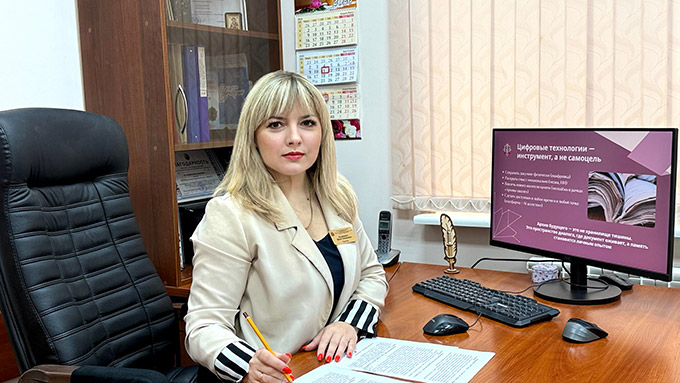
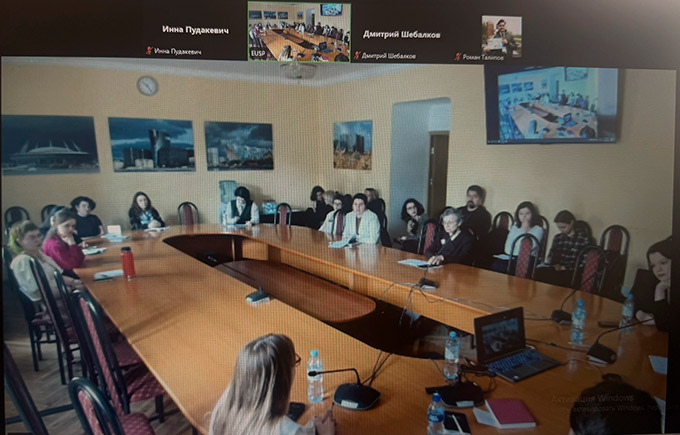
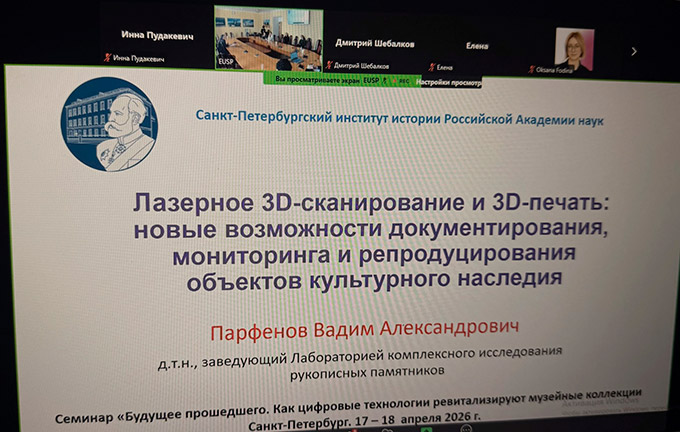
On April 17-18, 2026, St.Petersburg became the venue for an important discussion about the future of cultural memory. The international seminar «The Future of the Past: How Digital Technologies Revitalize Museum Collections» was held at the Russian Ethnographic Museum and the European University. Participants included representatives of the Russian Academy of Sciences, researchers, museum professionals, archivists, and developers from Russia, Belarus, Uzbekistan, and other countries. Inna Zenonovna Pudakevich, Director of the Zonal State Archive in Molodechno, represented Belarus at the forum online, presenting a paper titled «Modern Digital Technologies as a Tool for Updating Traditional Archives and Preserving Historical Memory». She described how Molodechno has transformed a traditional document repository into a vibrant space for dialogue with society. Nearly 290,000 files represent more than just collections; they represent the destinies, events, and voices of the past. The archive’s task today is not just to preserve but also to «speak» these documents for a new generation.
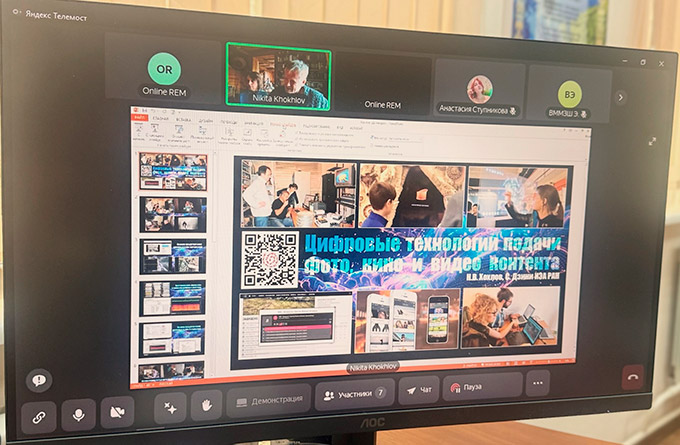
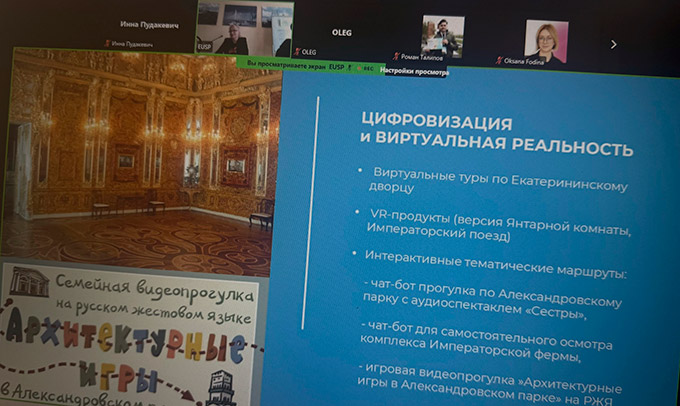
The conference, despite its museum focus, actively addressed archival topics. Participants discussed how to popularize documentary heritage, especially audiovisual materials, which possess a special emotional power. Live examples were presented: how podcasts are created based on archival footage, allowing one to hear the past in the digital present; how mobile apps with film chronicles of different eras help users literally «live» history, navigating a map of events. Experts from Ryazan, Kaliningrad, and Ufa shared practices for integrating archival footage into modern exhibitions—so that viewers don’t just watch, but feel a connection with time. Case studies of creating virtual museum tours were also presented.
Particular attention was paid to the fine line between the digital image and the original. The discussion participants spoke with warmth and nostalgia about how scanning, no matter how high-quality, only recreates a visual copy. It doesn’t convey the smell of old paper—that very «aroma of time»—and you can’t feel the texture of the material under your fingers. The tactility of an exhibit is part of its aura, its evidentiary power. Digital technology provides access, but doesn’t replace an encounter with the original.
In this context, the discussion about the limits of artificial intelligence was particularly valuable. Where can AI truly be helpful? For example, in restoration: neural networks are already capable of reconstructing lost fragments of murals, «reviving» old photographs, and assisting in the creation of audio descriptions for visually impaired visitors. But there are areas where human intervention is indispensable. Interpreting context, ethically assessing reconstructions, and working with sensitive topics—all of these require expert judgment and human sensitivity.
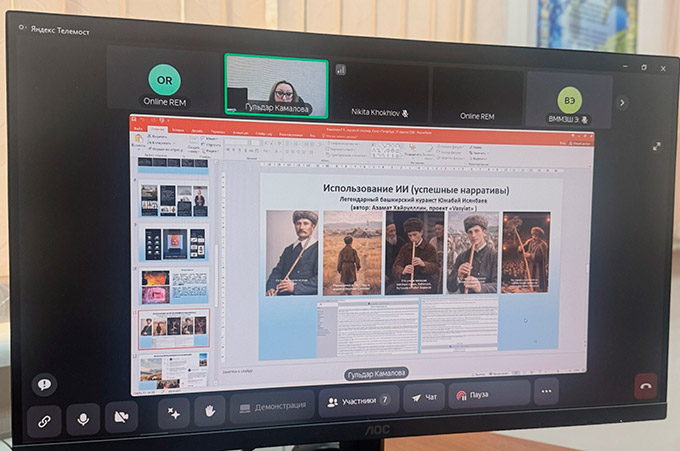
The conference also became a space for intercultural dialogue. Colleagues from Uzbekistan spoke about the large-scale digitization of the State Museum of Arts’ collections, while experts from Bashkortostan discussed digital solutions for preserving intangible heritage. The experience of Molodechno — the republican «Archives for Schools» campaign, a video blog with schoolchildren, and the «Guardians of Memory» cartoon generated by neural networks—generated keen interest as an example of how to speak to young people in their own language without dumbing down the content. Inna Pudakevich concluded her presentation with a simple but important thought: digital technologies are not an end in themselves, but a tool that allows us to preserve the original, reveal its meaning, engage new bearers of memory, and make heritage accessible.
The conference in St.Petersburg demonstrated that the future of the past lies in the harmony of tradition and innovation. And archives have a worthy and active place in this future.
The organizers promised that the conference will become an annual event.
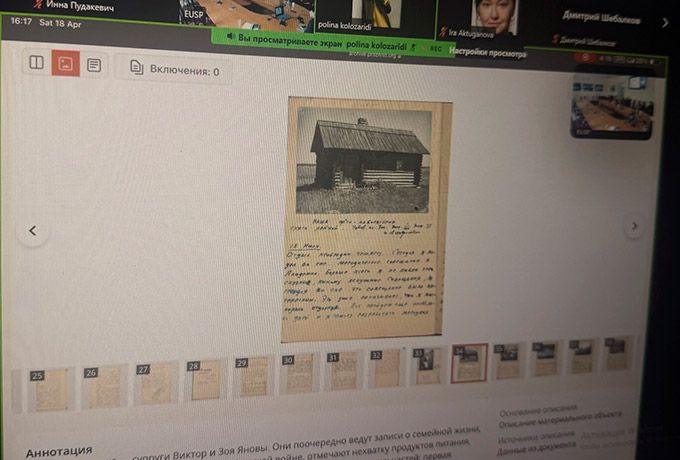
Pictured: During the conference
 |
 |
 |
 |
 |
 |
 |