

Dialogue on Genocide: Archivists and Youth Meet in Molodechno
On December 9, International Genocide Remembrance Day, a series of events took place in Molodechno, serving as living history lessons. Archivists, along with teachers and community organizations, discussed not only numbers and dates, but also the lives of people, their pain and resilience, and the things that cannot be forgotten.
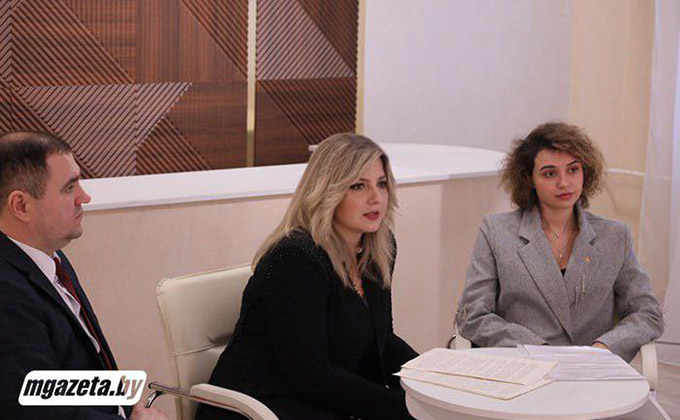
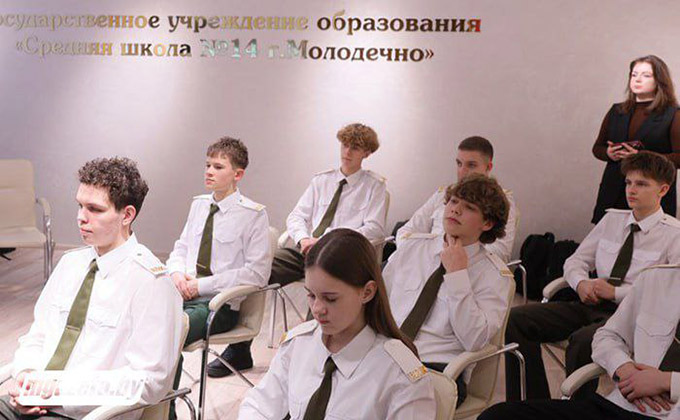
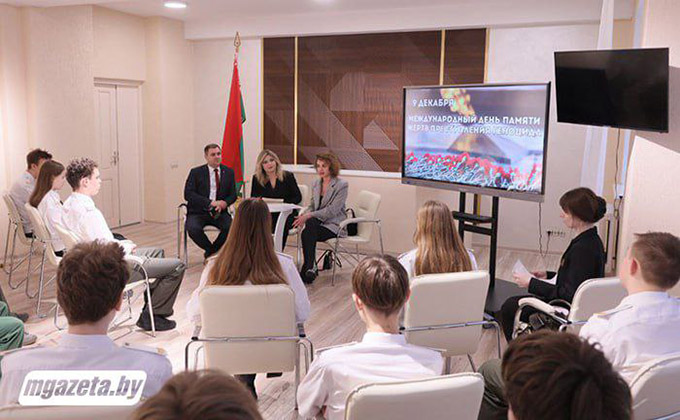
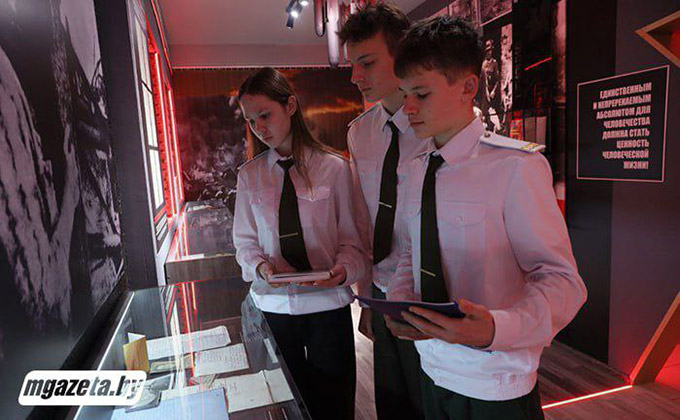
The first event brought together students from military patriotic classes. Speakers included Darya Slizhevskaya, First Secretary of the BRSM District Committee; Sergei Naumchik, Head of Military Patriotic Education at Secondary School No.14; and Inna Pudakevich, Director of the Zonal State Archives in Molodechno. Her remarks became the focal point of the meeting. The presentation opened with a documentary video sequence — footage from the war years, depicting episodes of genocide on Belarusian soil. These materials, presented by film, photo, and audio archives of Belarus and Russia, immediately immersed the audience in the atmosphere of those terrible years.
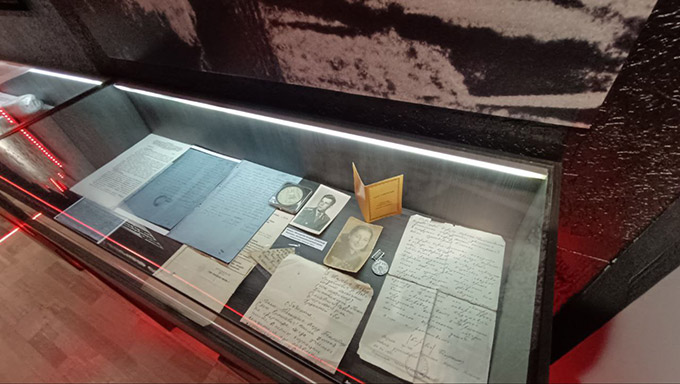
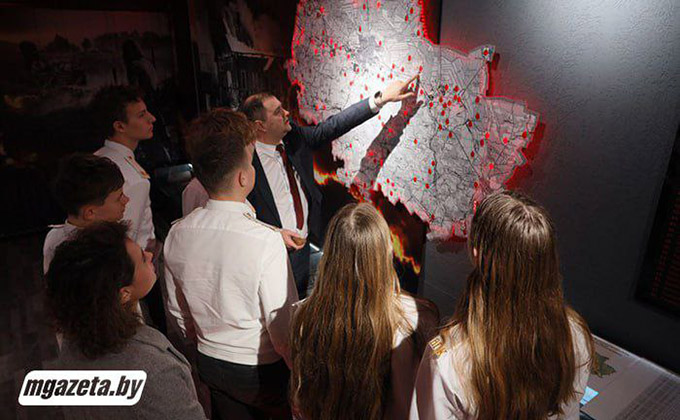
Inna Pudakevich spoke about the ghettos that existed, about the Stalag 342 concentration camp, which became the site of the mass extermination of prisoners of war and civilians, and about the burned-out villages of the region—the sisters of Khatyn. She cited eyewitness accounts that resounded like a cry of pain across the decades, and focused on the materials of the Extraordinary State Commission for the Establishment and Investigation of Nazi Crimes, which document the scale of the tragedy and today remain the basis for investigative, research, and educational work. The meeting concluded with a screening of the film «Ashes of Childhood», created by young archivists from Molodechno as part of the international competition «Without Statute of Limitations: Unconquered».
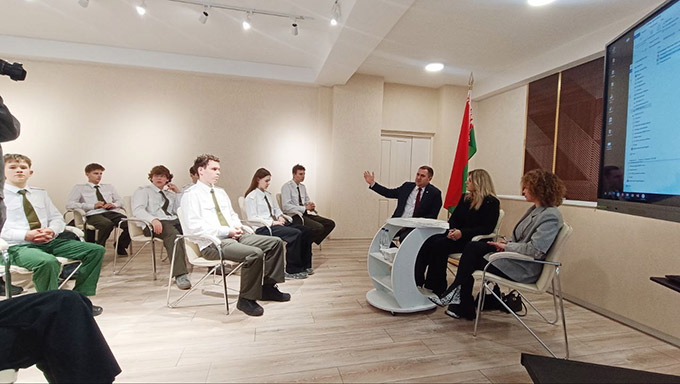
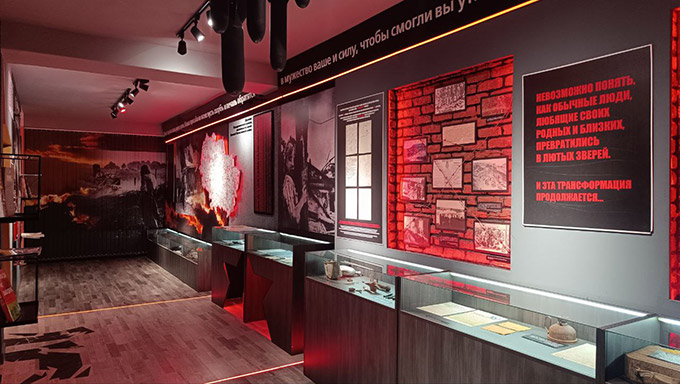
At the second location — Secondary School No.12 — Nikolai Minets, Director of Military Patriotic Events, delivered an opening address. He showed the ONT television channel’s documentary film «Ola – Khatyn’s Sister», which also recalled the tragedy of the Belarusian villages destroyed along with their inhabitants.
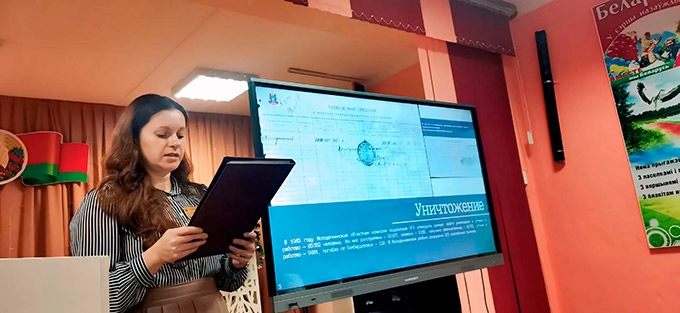
Olga Berezovskaya, an archivist with the Department of Document Use and Publication at the Zonal State Archives, continued the series of presentations. In her presentation, she spoke about the documented atrocities committed by the occupiers in the district. Her words emphasized that archivists continue their painstaking work to preserve historical memory and uncover little-known facts about that war, preventing them from being lost to time.
On December 9, a real dialogue about genocide took place in Molodechno—in different audiences, but with one common goal: to preserve the truth about the tragedy of the Belarusian people and pass it on to the younger generation as a moral talisman against the repetition of such crimes.
 |
 |
 |
 |
 |
 |
 |
 |
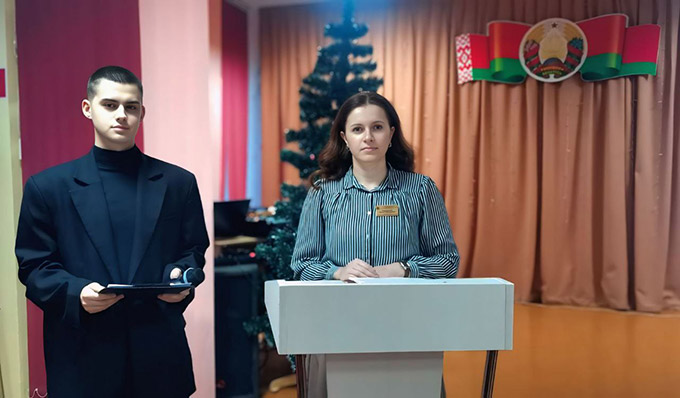
| 1-8. During the event at Secondary School No.14 in Molodechno |
 |
 |
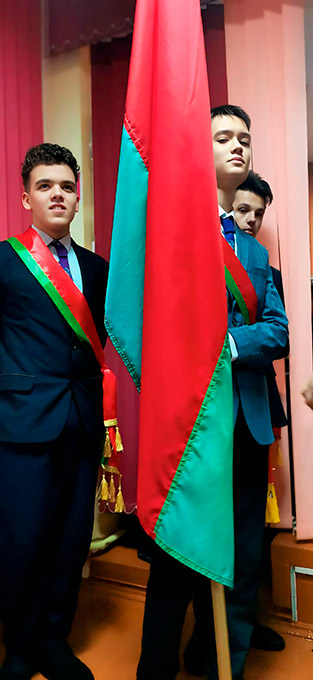 |
| 9-11. During the event at the State Educational Institution «Secondary School No.12 of Molodechno» |